
Picture this. You finally get more vendors signing up, and you feel like your marketplace is growing. Then one vendor drops their price by 10 percent. After that, another vendor drops theirs even lower. Next thing you know, your best sellers are fighting to be the cheapest, and are no longer competing on value. This is the part nobody warns you about. Vendor pricing can quietly turn into price wars if you do not set proper rules.
This is why I now treat vendor pricing as a core part of marketplace management. Pricing freedom matters, but without structure, it can damage the entire platform. In this article, I will walk you through how vendor pricing works in a multi-vendor marketplace, why price wars start, and what you can do to prevent them before they hurt your business.
What Vendor Pricing Means In A Multi-Vendor Marketplace
When we talk about vendor pricing, we are really talking about who controls prices inside a marketplace and how those prices are set. In a multi-vendor setup, each seller usually decides how much their products cost. This is very different from a single online store where one owner controls every price.
In a marketplace, vendor pricing gives sellers freedom. They can adjust prices based on demand, costs, or competition. On the surface, this sounds fair. Vendors know their products best, so letting them set prices feels logical. However, once many sellers offer similar products, that freedom can quickly turn into conflict.

According to insights, additional costs such as shipping, taxes, and fees are a top reason people abandon carts, and 39% left because the costs were too high. When vendor prices feel unpredictable, buyers become more cautious at checkout.
Pricing freedom can be helpful because it encourages vendors to experiment and stay competitive. At the same time, it carries risk. Without clear boundaries, vendor prices can spiral downward as sellers compete with one another rather than focus on value. That is why understanding vendor pricing is not just a vendor concern. It is something you and I need to manage carefully as marketplace owners.
Why Price Wars Start Between Vendors
Let me be real with you. Price wars usually do not start because vendors want to ruin the marketplace. Most of the time, it starts with one simple thought. “If I lower my price, I will get more sales.” And sure enough, that might work for a day or two. However, once one seller does it, another seller feels pressured to follow. Then another one joins in. Before you know it, vendor pricing turns into a game where everyone is just trying to be the cheapest.
Too much pricing freedom
When vendors have full freedom and there are no guardrails, the quickest way to compete is to undercut. It is easy and fast. It feels like the obvious move. The problem is that your other vendors can do the same thing right away. So the price keeps dropping, and vendor prices start sliding down even when the product has not changed.
Lack of clear pricing rules
If you do not spell out pricing rules, vendors will make their own assumptions. Some will keep prices reasonable because they care about quality and profit. Others will go super low just to grab attention fast. That gap creates tension, especially when responsible vendors feel like they are being punished for not playing the undercutting game.
Similar products and crowded categories
This is where things get even more… well, intense. Price wars are most common when vendors sell very similar products. If buyers see three similar listings side by side, price becomes the easiest thing to compare. Vendors start competing on price rather than service, support, or product quality.
And once that happens, vendor prices can drop fast. Vendors try to win the sale today, even if it hurts them tomorrow. At the same time, buyers start thinking, “Why is this so cheap?” That is not always the kind of attention you want.
Common Vendor Pricing Models Used In Marketplaces
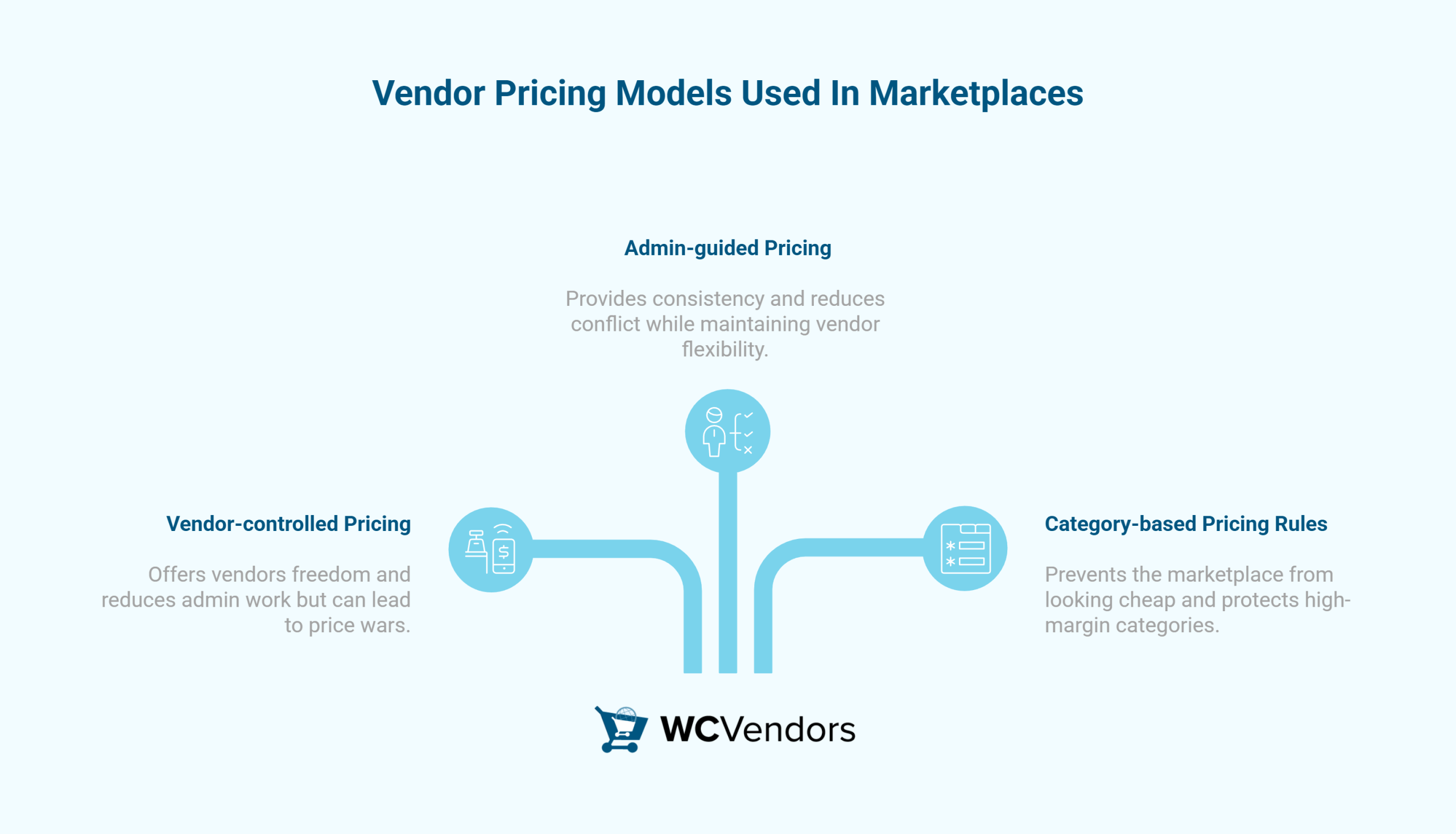
Before you set rules, it helps to understand what kind of pricing setup you are actually running. Different marketplaces use different approaches, and each one changes how vendors behave. So when we talk about vendor pricing, we are also talking about how much control you give vendors and how much structure you provide.
Vendor-controlled pricing
This is the most common setup. Vendors set their own prices, adjust them whenever they want, and control discounts on their own products. This model feels attractive because it gives sellers freedom. It also reduces admin work because you are not changing prices for them.
However, if this is your default setup, it is also where price wars can start. When vendors have no pricing boundaries, vendor prices can drop quickly in crowded categories. That is why this model often requires supporting rules to ensure fairness.
Admin-guided pricing
In this setup, vendors still control their prices, but you provide guidelines. You might suggest price ranges, minimum margins, or discount limits. You may also set category rules that vendors must follow.
This approach works well when you want vendors to stay flexible, but you still want consistency across the marketplace. It also reduces conflict because vendors know what is acceptable. With admin guidance, vendor pricing remains vendor-led, but the marketplace stays more stable.
Category-based pricing rules
Some marketplaces set different pricing expectations depending on the category. For example, low-margin categories may have tighter discount rules, while premium categories may have strict pricing floors. This approach makes sense because not all product types face the same pricing pressure.
Category-based rules also help prevent the marketplace from looking cheap across the board. If you want a marketplace that feels trusted, consistent, and high quality, this model gives you more control without removing vendor freedom. It also helps keep vendor prices from spiraling in categories where undercutting causes the most damage.
📝 What WC Vendors gives you for pricing in a marketplace: WC Vendors supports vendor-controlled pricing by default. At the same time, marketplace owners retain control through permissions and workflow rules. Vendors can create products, but you can require approval before products go live. This helps you avoid messy pricing surprises on the storefront.
Vendor Pricing Rules That Help Prevent Price Wars
Now let’s talk about the rules that actually keep things stable. I am not saying you should control every price (that usually backfires!). However, you need guardrails to ensure vendor pricing remains fair and predictable. Vendors can compete (in a healthy way, of course), but there’s no need for them to destroy each other in the process.
1. Minimum price or floor pricing
A minimum price, or floor price, sets the lowest amount a vendor can charge for a product. This rule is helpful when vendors sell the same items or very similar items. Without a floor, vendors keep cutting each other down until profit disappears.
You can handle this in a few ways. Some marketplaces set a strict minimum price for certain products. Others set a minimum margin expectation. Either way, the point is to stop extreme undercutting before it becomes normal. Once vendor prices fall too low, it is hard to rebuild trust and margins.
2. Controlled discounts and coupons
Discounts are not the enemy. The problem is unlimited discounts with no boundaries. If vendors can run deep discounts anytime, price wars become constant. This is where clear rules help. You can set limits on how much vendors can discount, how often they can discount, and which categories can run promos.
For example, you might allow small discounts anytime, but require approval for large discounts. You might also limit coupon use in crowded categories. This keeps vendor pricing flexible, but it prevents sellers from using discounts as their only strategy.
You may also learn about “Vendor Coupons: How To Create & Manage Vendor Discounts.”

3. Pricing visibility rules
Transparency can also reduce this pricing drama. When vendors understand how buyers compare listings, they are more likely to price responsibly. Clear rules about what must be included in the listed price also help. For example, vendors should not hide additional fees in post-checkout messages.
Consistent pricing visibility makes the marketplace feel more trustworthy. It also reduces disputes because buyers know what they are paying for. When pricing is clear, vendor prices compete on real value, not on tricks or confusion.
How WC Vendors Helps Manage Vendor Pricing
Pricing rules only work when you can apply them in real life. WC Vendors helps by giving vendors room to manage their own listings while still giving you control points as the marketplace owner. That balance matters when vendor pricing starts getting competitive.
Vendor-side pricing control
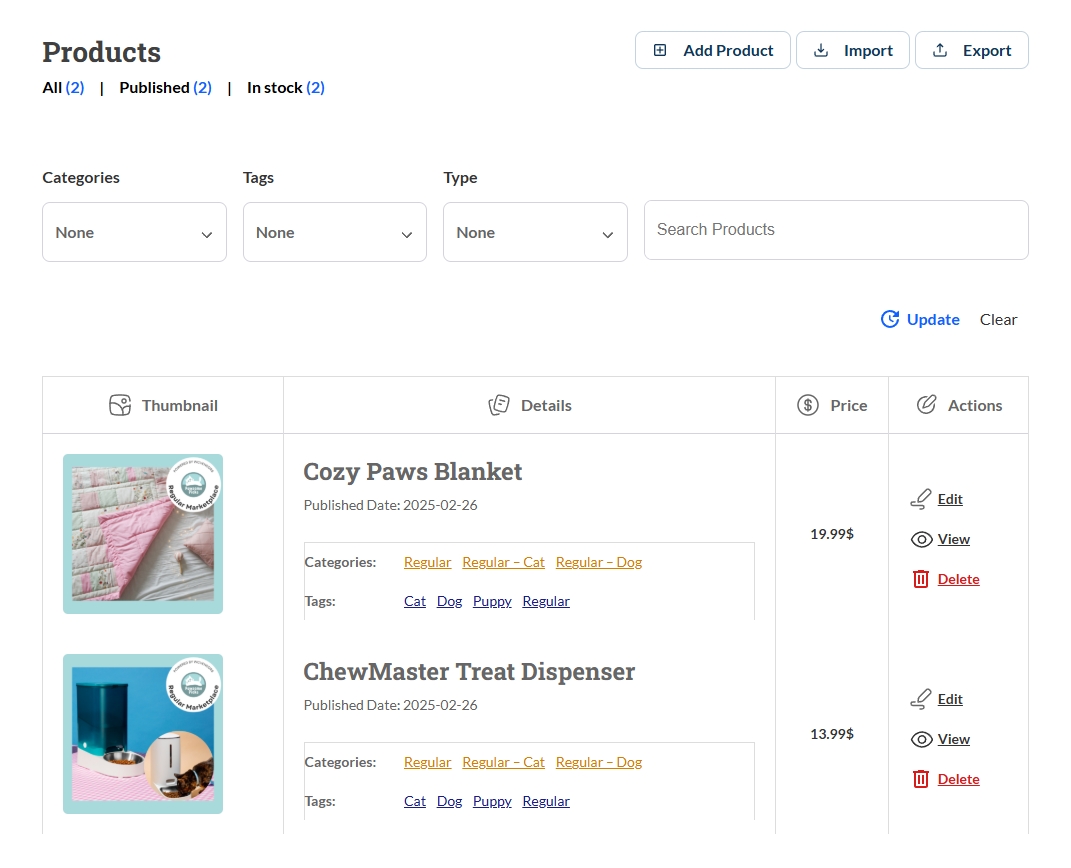
Vendors can manage their own product prices inside their dashboard. They can update prices when costs change, when they want to test demand, or when they run short promos. This keeps sellers active and reduces admin workload. It also keeps vendor prices responsive, which matters in a marketplace.
Admin permissions and restrictions
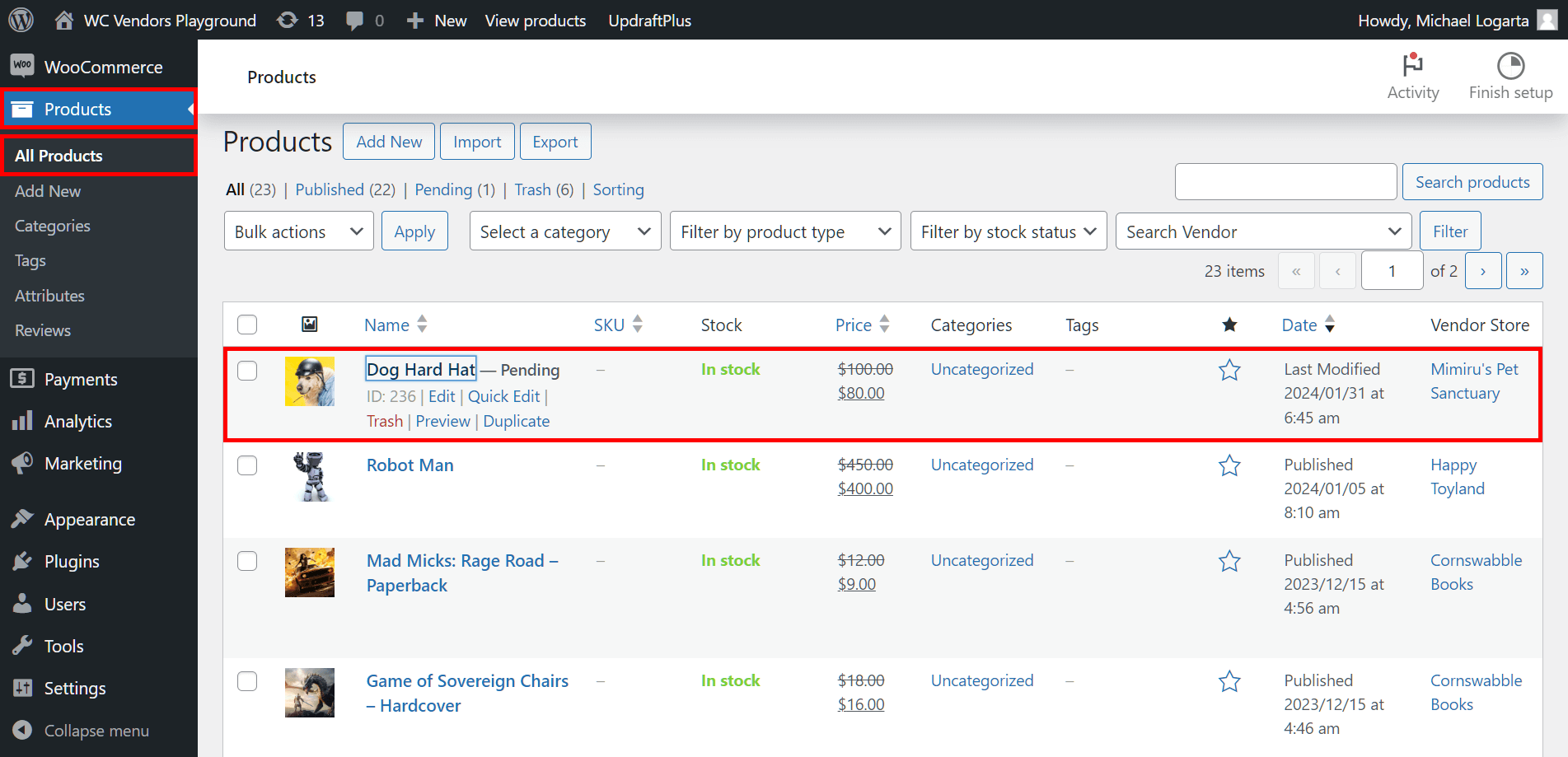
Even with vendor freedom, you still have control. You can manage access through permissions and workflow rules. For example, you can require product approval before listings go live. This helps you catch pricing issues early, especially in crowded categories where undercutting is common. You can also limit features for new vendors until they earn trust. This is one way to guide vendor pricing behavior without controlling every vendor daily.
Category rules and commission interaction
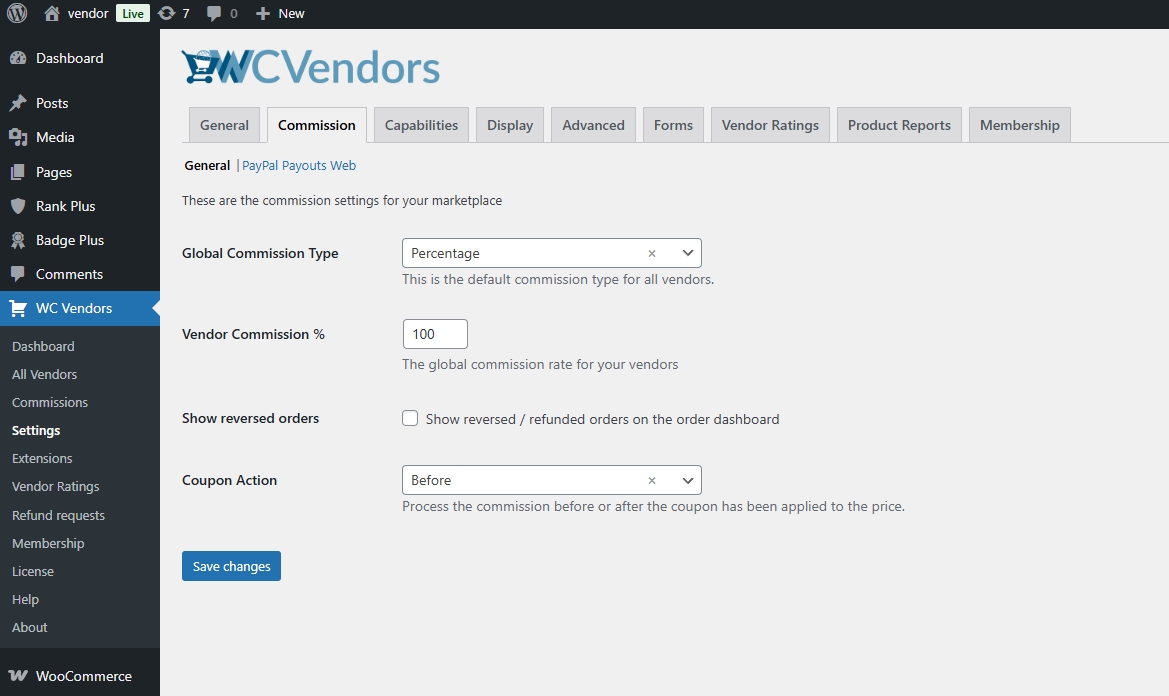
WC Vendors supports marketplace economics through commission settings. Vendors set prices, but commission rules still apply based on your configuration. This matters because even when vendor prices change, your revenue model stays consistent. You can also use category structure and policy rules to guide pricing expectations, then apply your approval flow to enforce those standards fairly.
Monitoring vendor pricing behavior
Monitoring helps you protect the marketplace before issues grow. You can watch order patterns, refunds, and dispute trends to spot risky behavior early. If one vendor keeps triggering problems or showing suspicious pricing patterns, you can step in and review their activity. This protects the marketplace while keeping vendor pricing fair for everyone.
Best Practices For Setting Vendor Pricing Policies
Now let’s make this practical. You can have all the ideas in the world, but if your vendors do not understand your rules, nothing sticks. A good policy keeps vendor pricing fair, predictable, and easier to manage. It also reduces vendor arguments because you can point to a clear rule instead of making decisions based on feelings.
Document pricing rules clearly
Start by writing your rules in plain language. Keep it short, direct, and easy to follow. Explain what vendors can do, what they cannot do, and what happens when rules are ignored. If you have a minimum price rule, say it clearly. If you limit discount depth, list the exact limits. Clear rules help vendors price responsibly and prevent prices from spiraling downward.
Explain rules during vendor onboarding
Do not wait until there is a pricing problem before you talk about rules. Share pricing expectations early, ideally during onboarding. I like to explain the “why” as well. Vendors are more likely to follow rules when they understand that the goal is fairness and long-term trust. This also helps you attract vendors who are serious about selling, not just racing to the lowest price.
Review pricing behavior regularly
Pricing issues rarely appear overnight. They usually build over time. That is why regular reviews matter. Check crowded categories, look for extreme price drops, and watch for patterns such as repeated discounting. If one seller keeps undercutting, it is better to address it early. A quick conversation or warning can prevent a long price war. This is one of the best ways to keep vendor pricing stable.
Adjust rules as the marketplace grows
What works with ten vendors may not work with a hundred. As the marketplace grows, category crowding, buyer expectations, and vendor behavior change. So your policy should evolve, too. If a category becomes overly competitive, you may need to tighten discount limits. If vendors are struggling with margins, you may need clearer pricing guidance. A flexible approach helps protect vendors and keeps vendor prices healthy over time.
Takeaways
If you take one thing from this guide, let it be this: vendor pricing needs structure in a marketplace. When vendors compete without guardrails, price wars start quickly and usually end with everyone earning less. I have seen how quickly vendor prices can spiral when sellers feel pressured to be the cheapest. That pattern hurts vendors and you, as the marketplace owner.
Let’s take a glance on what we have discussed so far:
- What vendor pricing means
- Why price wars start between vendors
- Common vendor pricing models
- Vendor pricing rules that help prevent price wars
- How WC Vendors helps manage vendor pricing
- Best practices
So if your marketplace is starting to feel tense around pricing, you are not alone. The good news is you can prevent most of this with clear rules and consistent habits. A minimum price rule, discount limits, and basic pricing transparency can go a long way. When you explain policies early and review pricing behavior regularly, you reduce drama and protect long-term trust. In other words, you are not blocking competition. You are shaping it so vendors compete in a way that still makes sense for profit and quality.
When vendors know the rules, vendor prices stop turning into a race to the bottom. That is how you protect margins, keep vendors motivated, and build a marketplace that buyers trust over time.
Do you have questions or clarifications? Just let me know!
FAQs
Are low prices always bad for a marketplace?
Not always. Discounts can help sales. The problem starts when low prices become constant, and vendors cut deeper and deeper just to stay visible. That is when margins and quality start dropping.
What is a floor price, and why would I use it?
A floor price is the lowest price a vendor can set for a product. It prevents extreme undercutting, especially when multiple vendors sell very similar items.
How does WC Vendors help with vendor pricing control?
WC Vendors gives vendors a dashboard where they can manage product prices. At the same time, you can use permissions and approval workflows so products can be reviewed before they go live. This helps you avoid messy pricing surprises.
How do I stop vendors from undercutting each other without upsetting them?
Make your rules clear and fair. Explain the “why” during onboarding. Then enforce consistently. Vendors usually accept rules better when they understand the goal is fairness and long-term trust.
How often should I review vendor pricing behavior?
Regularly. You can check competitive categories weekly or monthly. Look for sudden price drops, repeated deep discounts, and patterns that lead to disputes or refunds.