Running an online store is one thing, but managing many sellers and products under one roof is a whole new level of opportunity. A dropshipping marketplace is a business model in which store owners allow vendors to sell products without holding any stock. Each vendor manages their items while the store owner handles the website, orders, and customer experience. It is one of the easiest ways to start an online business because it eliminates the need for warehouses or complex inventory management.
WooCommerce has become one of the best platforms for creating this kind of business. It is flexible, easy to use, and open for custom tools that make running a marketplace simple, even for beginners. Store owners can connect with multiple vendors, manage orders, and handle payments in one place. With plugins like WC Vendors, you can turn a regular WooCommerce store into a complete marketplace where each seller controls their products and profits.
In this article, you will learn five proven strategies that can help your dropshipping marketplace grow. Whether you are just starting or improving your existing WooCommerce setup, these lessons will help you build a system that saves time, supports your sellers, and keeps your customers coming back.
Understanding The Dropshipping Marketplace Model
A dropshipping marketplace operates through a shared system in which many people work together. Each person has a role that keeps the business moving. The admin is the marketplace owner. They manage the store, handle payments, and make sure everything runs smoothly. Vendors are the sellers who add products, set prices, and manage their listings. Suppliers are the ones who keep and ship the products. Customers visit the website, choose what they want, and place their orders.
This setup helps business owners grow faster without the stress of stocking items or managing big warehouses. It also gives vendors a space to sell without having to create their own store. The admin earns from commissions on each sale, and suppliers get regular orders through active vendors. It is an innovative system that connects everyone while keeping responsibilities clear.
5 Strategies For A Dropshipping Marketplace
If you want your dropshipping marketplace to grow, you need more than just a good website. You need strategies that help you choose better products, guide your vendors, and keep customers happy.
The following five strategies can help you build a stronger foundation for your WooCommerce marketplace:
1. Choose the right niche and suppliers
The first step in building a strong business is knowing what you want to sell and who you want to sell it to. Picking the right niche makes your store more focused and easier to manage. Instead of selling everything, start with a smaller product group that matches your interests and skills. For example, you might focus on fitness gear, home décor, or baby products. A clear niche helps you reach the right customers and makes your marketing more direct.
Once you choose a niche, the next step is finding reliable suppliers. Your suppliers are the backbone of your store because they control how fast products are shipped and how good the quality is. Always check supplier reviews, test sample orders, and compare shipping times. Working with trusted suppliers builds customer confidence and prevents refund issues later.
You may also read: The Ultimate Marketplace Sellers Guide To Selling Online.

For your dropshipping marketplace, it helps to build steady partnerships with suppliers who can handle bulk orders and maintain sufficient stock for your vendors. WooCommerce makes it easy to connect supplier data with product pages so each vendor can manage listings without confusion. When your suppliers and vendors communicate well, your store becomes more organized and dependable.
A niche-focused dropshipping marketplace that has reliable suppliers will always stand out. Customers notice when stores sell specific, high-quality products. This focus helps build loyalty, a key to long-term success.
2. Optimize vendor onboarding and management
A marketplace grows faster when vendors feel supported from the very beginning. The first step is to create an onboarding process that is clear and easy to follow. When vendors know exactly how to join, add products, and track sales, they are more likely to stay active. A confusing registration form or slow approval process can make new sellers lose interest before they even start.
With WooCommerce, you can make this process smooth by using tools that allow vendor registration directly on your website.
📝 Additional Note: WC Vendors gives you the option to design your own registration forms and decide which details are required before a seller can start. You can also set up automatic vendor approvals or manual reviews, depending on how much control you want. This kind of flexibility helps you manage your sellers while keeping your marketplace organized. Check our Demo Site by clicking HERE.
Managing vendors goes beyond registration. You also need to keep them informed and engaged. Send updates about new policies, tips for better sales, or reminders about product guidelines. Vendors who feel involved are more likely to treat your store with care. You can even create a simple guide or short video to help them understand how to use the platform.
You may read: Custom Registration Form For Vendor Onboarding.

3. Build trust through transparent policies
Trust is one of the most essential parts of running any business. In a dropshipping marketplace, it matters even more because many sellers and customers depend on your platform. People need to feel safe when they buy, sell, or share information on your site. Clear policies make that possible.
Start by setting clear return and refund policies. Tell buyers what they can expect if something goes wrong with their order. Make these rules easy to find and simple to read. Next, create fair rules for your vendors. Let them know how product listings, pricing, and shipping should be handled. When vendors follow the same rules, your store looks more professional and organized.
Privacy is also part of building trust. Customers share personal information when they make a purchase, so you must keep that data safe. WooCommerce provides settings that help protect customer details during checkout. You can also remind your vendors to use secure passwords and update their contact details regularly.
You may also read: How To Use The Vendor Rating System To Boost Customer Trust.

Adding product reviews and vendor ratings is another way to make your site more open. When customers see feedback from other buyers, they feel more confident in making a purchase. You can also give vendors small badges that show their reliability, such as “Top Seller” or “Fast Shipper.”

4. Automate order fulfillment and communication
In a dropshipping marketplace, automation makes a big difference. It keeps tasks organized, helps vendors stay up to date, and makes customers feel taken care of.
WooCommerce has many tools that make this process easier. You can set automatic order notifications so vendors know right away when a product is sold. This helps them prepare shipments faster and keeps buyers informed without waiting for a manual update.
💡 Note: Tools like WC Vendors make it easy to message sellers directly from the dashboard. You can share notes on product issues, policy updates, or stock-level reminders. This keeps your entire team on the same page.
A well-organized dropshipping marketplace that uses automation saves time for everyone involved. It reduces human error and lets you focus on improving other areas of your business. When communication is clear and tasks run smoothly, both vendors and customers enjoy a better experience.
5. Use data and feedback to scale smart
Once your marketplace starts running well, it is time to think about growth. But growing without direction can lead to wasted effort. Data helps you make better decisions by showing what is working and what is not. In a dropshipping marketplace, small data insights can yield significant results over time.
Inside WC Vendors, you can check detailed reports that show how your marketplace is performing. You can see which vendors are earning the most, which products are selling faster, and which categories need more attention.
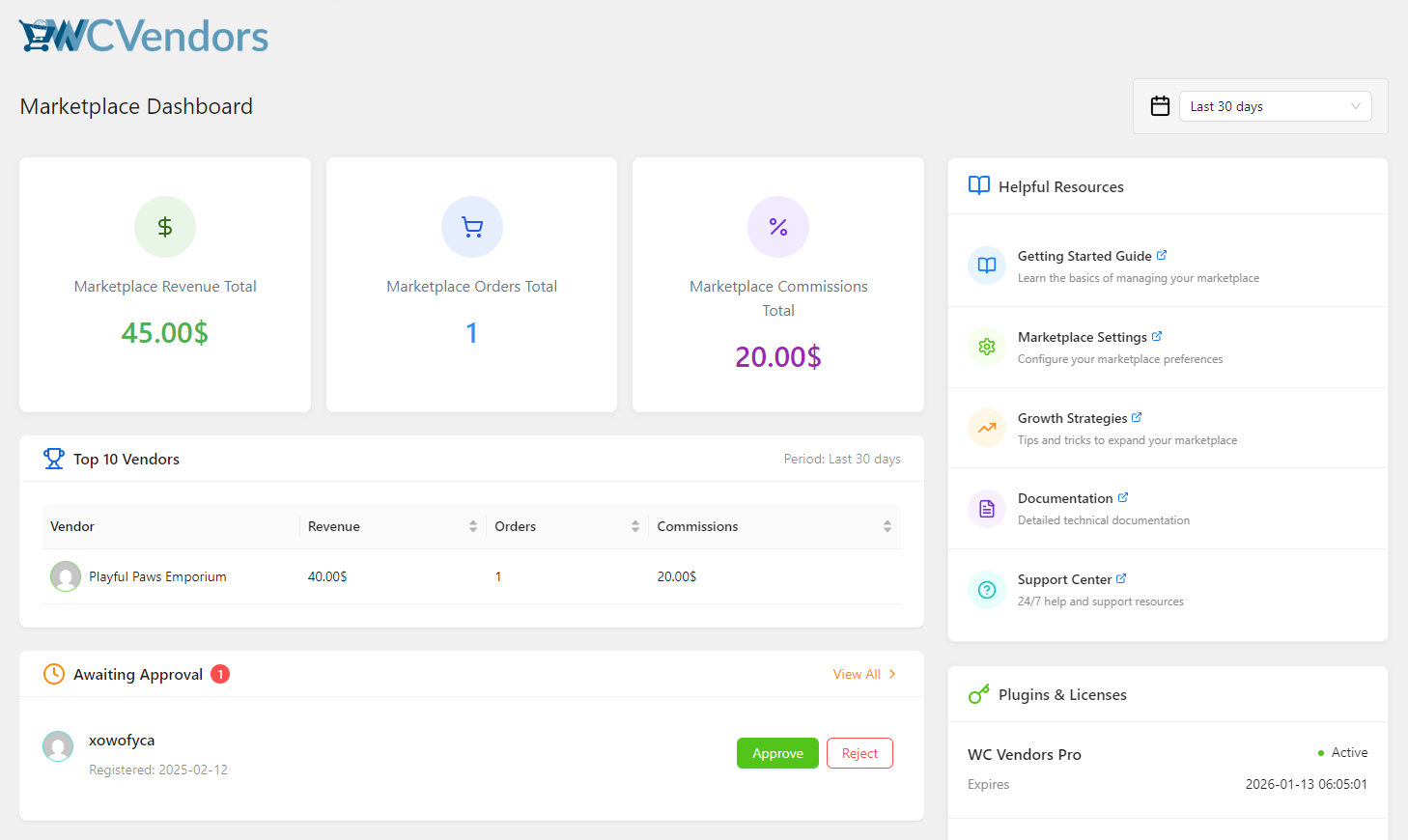
These reports make it easier to understand how your business is growing. If one vendor’s items often sell out, you can support them by giving them more exposure. If another vendor’s sales are slowing down, you can help them review their pricing or product descriptions.
Vendor feedback is another valuable tool. Ask your sellers what challenges they face when managing their shops. Maybe the upload process feels slow, or the order system is confusing. By collecting this information, you can find ways to improve your setup and make their experience better.
Customer feedback also matters. Product reviews and short surveys can help you understand what buyers love and what stops them from returning. It also helps you spot patterns, such as common shipping issues or product quality problems.
You may also read: How To Enable WooCommerce Product Reviews And Encourage Customer Feedback.

Key Pitfalls That Can Slow Down Your Dropshipping Marketplace
Running a marketplace with many sellers is rewarding, but it also comes with challenges. Knowing what to avoid can save you time, money, and stress. Here are a few common mistakes that can slow down your progress and how to fix them.
Ignoring vendor communication
When vendors do not receive regular updates, they might miss rule changes or forget about new product limits. Regular communication keeps your marketplace organized and your sellers confident.
Adding too many suppliers too soon
More suppliers do not always mean more success. Adding too many at once can lead to messy inventory and delayed shipments. It is better to start with a few trusted partners who understand your process. Once your system works smoothly, you can slowly welcome more suppliers.
Not tracking order accuracy
Order mistakes create unhappy customers and wasted time. Check your reports often to see how orders move from vendors to buyers. Encourage vendors to double-check details before shipping.
Ignoring your store’s look and rules
Even a great product list can lose impact if your store looks messy or your rules are unclear. Make sure your site design feels clean and easy to browse. Keep your policies visible and straightforward. A professional appearance helps customers feel more comfortable buying from your dropshipping marketplace.
Takeaways
Building a dropshipping marketplace is not an overnight success story. It takes time, patience, and consistent effort. The most successful marketplaces are the ones that focus on people first. Vendors need the right tools and clear guidance. Customers need fast responses and honest service. When both sides feel supported, growth becomes natural.
In this article, we discussed five important strategies for dropshipping marketplace:
- Choose the right niche and suppliers
- Optimize vendor onboarding and management
- Build trust through transparent policies
- Automate order fulfillment and communication
- Use data and feedback to scale smart
WooCommerce and WC Vendors make it easier to build that kind of system. You do not need to be a developer or a tech expert to manage your store. What matters most is that you understand how each part connects — from supplier communication to vendor payments. Once you have a structure that works, your role becomes more about guiding than fixing. You learn to see patterns, solve problems early, and help your sellers reach their goals.
The best advice I can give from real marketplace experiences is to never stop improving. Track your numbers, ask for feedback, and keep your platform simple to use. Mistakes will happen, but each one teaches you something valuable about your business. Over time, your WooCommerce marketplace can grow into a trusted place where vendors earn well and customers return with confidence.
Frequently Asked Questions
What is a dropshipping marketplace?
A dropshipping marketplace is a type of online store where many vendors can sell products without keeping any inventory. When a customer orders something, the vendor buys the item from a supplier who ships it directly to the buyer. This setup helps store owners run a business with less risk since they do not have to stock or ship products themselves.
How does WC Vendors help run a dropshipping marketplace?
WC Vendors makes it easy to manage multiple sellers on your WooCommerce store. It allows vendors to create accounts, add their products, and track their sales in one dashboard. It also helps admins set commission rates and manage orders. These tools make it simple to organize your dropshipping marketplace and keep vendors active.
How do I find good suppliers for my dropshipping marketplace?
Look for suppliers that have high product quality, good customer reviews, and fast delivery times. You can test their reliability by ordering sample products before adding them to your store. A strong partnership with suppliers helps your marketplace earn customer trust and maintain smooth operations.
Can I manage payments and commissions easily in WC Vendors?
Yes. WC Vendors has built-in features that handle payments and commissions automatically. You can set commission rates per vendor, per product, or use a global rate for everyone. This saves time and helps you avoid manual calculations when running your dropshipping marketplace.