Branding can feel intimidating at times. Some vendors think it only applies to big brands with designers and large budgets. That belief often stops people from starting at all. The good news is that store branding ideas do not need to be complicated or expensive. In fact, small and consistent changes often make the biggest difference.
When customers land on a vendor’s store, they notice the logo, banner, and product photos. They also notice how products are described and how the store introduces itself. These parts have to feel pleasing and eye-catching. As a result, customers are more likely to stay longer and consider a purchase.
That is why branding matters for online vendors. It helps buyers recognize your store and remember it later. It also helps your store feel more professional without sounding sales-focused.
In this article, we will go through simple and practical ways to improve how your store looks and feels. These ideas are meant for real vendors who manage their own shops. And take note, you do not need design skills to follow them.
Ready? Let’s get to it!
Buyers Judge Your Store Faster Than You Think!
Familiarity plays a big role in online shopping. As the saying goes, “First impressions last.” This is one reason store branding ideas are important even for small vendors.
94% of a user’s first impression of a website is based on design. This means buyers form judgments about a store’s credibility mostly from how the site looks.
Most buyers do not stop to analyze why they trust a store. They react to what they see. A clean layout, matching visuals, and clear text make a store feel active. On the other hand, a store that looks random can raise questions. Buyers may hesitate even if the product itself looks fine.
How do you avoid these missteps? Let’s talk about that in the following section!
5 Simple Store Branding Ideas For Online Vendors
1. Use a clear and consistent store logo
A logo is often the first thing buyers notice when they visit a vendor’s store. Even if they do not think about it right away, it sets the tone for the whole shop. Because of this, many store branding ideas start with getting the logo right.
At the same time, a logo does not need to be fancy. Simple shapes and readable text usually work better. When a logo looks clean at small sizes, it becomes easier to recognize across different pages. Buyers may see it on the store page, product listings, or even review sections. Over time, this repeated exposure helps the store feel familiar.
Keep your logo simple and readable
Many vendors make the mistake of adding too many details to a logo. Small text, thin lines, and complex icons can be hard to see on screens. Instead, it helps to focus on one main idea. This could be a store name, a short word mark, or a basic symbol that relates to the product type.

For example, if your store sells handmade items, a simple text logo with a soft style can work well. If you sell tech accessories, clean lines and clear lettering often feel more appropriate. The key is consistency.
Use the same logo across your storefront
Once you have a logo, it should stay consistent across your store. Using inconsistent versions in different places can confuse buyers. Frequent changes in size, color, or style can make the brand feel messy. Instead, choose one main version and stick to it.
Most marketplaces allow vendors to upload a store logo through their dashboard. This makes it easier to keep the logo updated in one place. When vendors take advantage of this, their store pages look more organized. As a result, buyers feel more confident while browsing.
You may also read: What Is A Digital Storefront? How To Build One That Sells
2. Stick to a simple color palette
Colors play a quiet but important role in how buyers feel when they visit a store. Because of this, many store branding ideas focus on keeping colors consistent across the storefront.
Choose only a few colors and stick to them
A common mistake vendors make is using too many colors at once. While variety may sound fun, it often creates visual noise. Instead, it helps to choose two or three main colors. One color can be your primary shade, while the others support it.
Apply your colors across store visuals
Use the same colors in your store banner, product images, and cover photos when possible. This does not mean forcing colors everywhere. It simply means avoiding random choices.
For instance, if your banner uses soft colors, avoid product photos with harsh or clashing backgrounds. This is why store branding often emphasizes repetition over variety.
3. Create a professional store banner
A store banner is one of the first things buyers see when they open a vendor store. It sits at the top and subtly signals what kind of shop they are visiting. Because of this, many store branding ideas start with improving the banner before anything else.
📝 With WC Vendors, each vendor gets control over their own storefront. Vendors can upload a store banner, change their logo, and edit their store details directly from the vendor dashboard. This allows sellers to adjust how their storefront looks without relying on the marketplace owner. As a result, vendors can keep their store visuals up to date and aligned with how they want buyers to see their brand.
What to include in a simple store banner
You may also read: How To Personalize Your Marketplace Brand (Full Guide).

A good banner does not need a lot of text. In fact, less is usually better. Many vendors only include their store name or a short phrase that explains what they sell. This helps buyers understand the store without feeling overwhelmed.
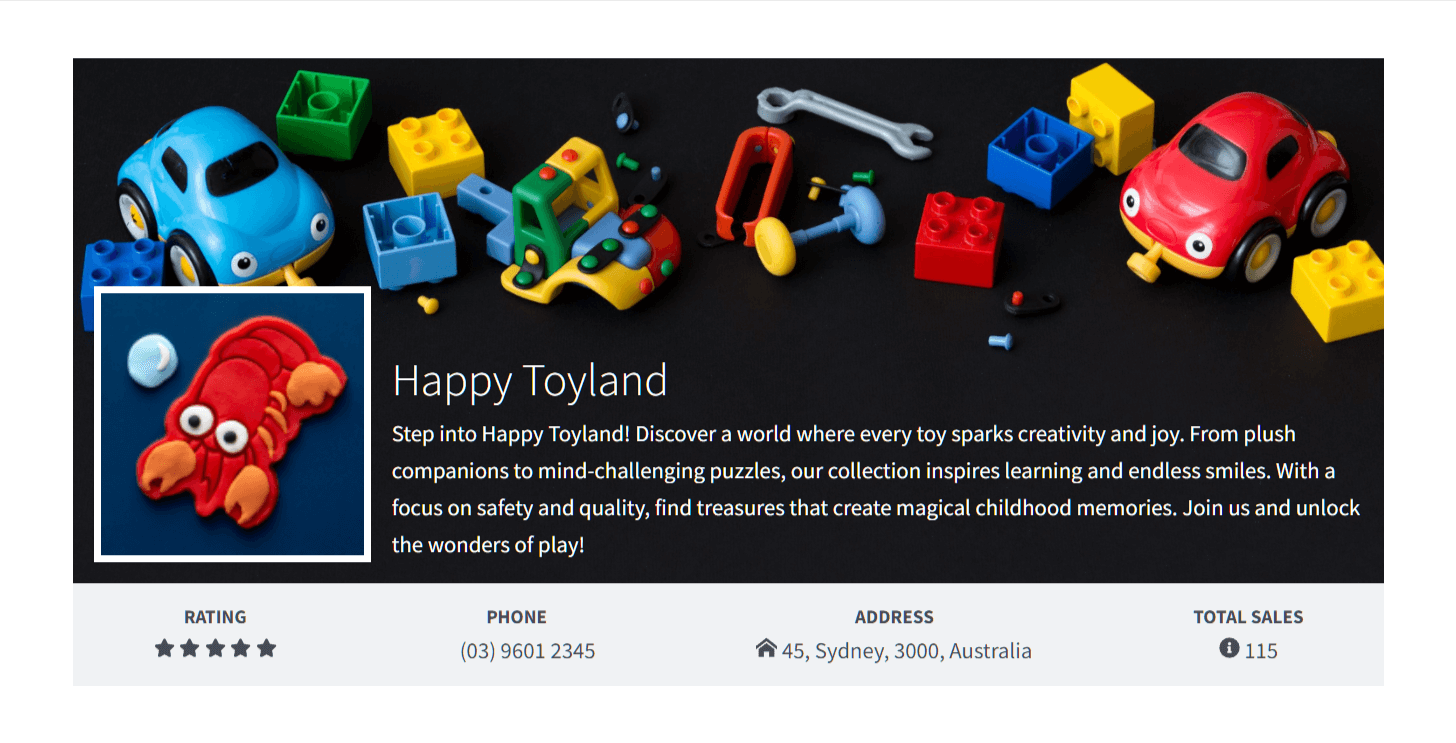
It also helps to keep the message clear. For example, a banner that shows the store name and product type is often enough. Too many words or images can make the banner hard to read. Clear spacing and readable text help the banner do its job.
Match your banner with your store colors
Your banner should work well with the colors you already use in your store. This kind of consistency is a key part of practical store branding ideas for online vendors.
If your store uses soft colors, your banner should follow the same style. If your store uses bold colors, the banner can reflect that too. The goal is not perfection. The goal is to make sure nothing feels out of place when buyers look around.
4. Use consistent product photos
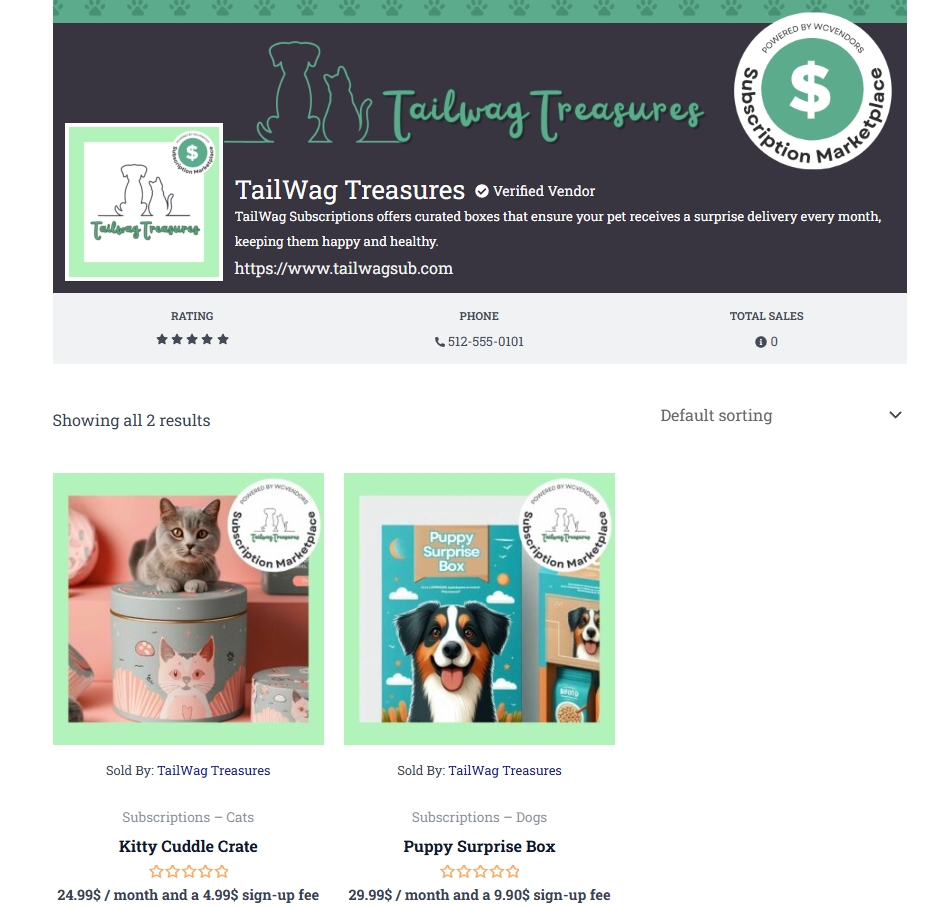
Product photos play a big role in how buyers feel about a store. Photos become one of the main ways they judge quality. If product images look consistent, the store feels more reliable. This is why many store branding ideas include clear guidelines for product photos.
Keep the same photo style across listings
One common issue in vendor stores is mixed photo styles. Some images may be bright while others look dark. Some may have white backgrounds while others feel busy. This mix can make the store feel unplanned.
Instead, it helps to choose one photo style and stick to it. For example, you can use the same background for all products. You can also use similar lighting and camera angles. This approach makes the store feel cleaner and easier to browse.
Avoid distracting backgrounds and clutter
Busy backgrounds can pull attention away from the product. Simple backgrounds help products stand out and feel more focused.
This does not mean every photo has to look perfect. What matters is clarity and that buyers can clearly see the product.
5. Add social links to support brand identity
This adds another layer of reassurance. It shows that the seller is active beyond the marketplace. Even if buyers do not click the links, knowing they exist can make the store feel more real.
Social links also help buyers learn more about the brand. Some shoppers like to check recent posts or customer comments. When they see a consistent look and tone across platforms, it reinforces the store’s identity.

Only link to active and relevant accounts
It is better to link one active account than several inactive ones. Empty or outdated profiles can raise doubts. Buyers may wonder if the store is still being maintained.
Other Related Articles

Takeaways
Many vendors think store branding ideas require big changes or special skills. In reality, small and steady updates often work better. When a store looks consistent and easy to understand, buyers feel more comfortable spending time there.
Throughout this article, we talked about 5 simple store branding ideas:
- Use a clear and consistent store logo
- Stick to a simple color palette
- Create a professional store banner
- Use consistent product photos
- Add social links to support brand identity
For vendors selling in a marketplace, having control over storefront settings makes a big difference. Tools that allow vendors to update banners, descriptions, visuals, and links from one place support better store management.
Good branding is about being clear and consistent. Vendors do not need to copy others or chase trends. They only need to present their store in a way that feels honest and easy to trust.
Frequently Asked Questions
How long does it take to see results from branding changes?
Branding results usually build over time. Some changes may feel subtle at first. However, consistent visuals and writing help buyers feel more comfortable. This can lead to longer visits and repeat buyers as time goes on.
Can branding help even if I sell common products?
Yes, branding still helps even if many vendors sell similar items. Buyers often choose stores that feel clear and reliable. A consistent store presentation can help your shop stand out in a crowded marketplace.
Where should I place my brand story?
Your brand story usually works best in the store description area. This is one of the first sections buyers see when browsing a storefront. Keeping it short and clear helps buyers understand your store quickly.
Can I improve branding little by little?
Yes, and that approach often works best. Making small updates over time feels less stressful. It also helps keep the store consistent instead of changing everything at once.