
The festive season is the most valuable stretch of the year for any online marketplace, and it is far longer than one weekend. Black Friday on November 27, 2026 gets the headlines, but holiday marketplace sales keep coming through Cyber Monday, the December gifting rush, last-minute orders and the Boxing Day bargain hunt that runs into January.
The demand is real. Adobe forecasts that U.S. shoppers will spend a record $275.1 billion online between November 1 and December 31, 2026, up 6.7% on last year. According to the National Retail Federation’s 2026 holiday survey, online is the top shopping destination at 53%, 43% of shoppers plan to start before November, and 64% will still do most of their buying over Thanksgiving weekend.
This guide shows marketplace owners how to plan the whole season, from vendor prep in mid-November to post-holiday offers in early January. You will get a phase-by-phase calendar, ten strategies to grow holiday marketplace sales, and practical ways to get your vendors involved.
Why The Whole Festive Season Matters For Holiday Marketplace Sales
It is tempting to pour everything into Black Friday and Cyber Monday. Yet Cyber Week is only part of the picture. Adobe expects the five days from Thanksgiving to Cyber Monday to bring in $47.5 billion in 2026, about 17% of total holiday online spending. The other 83% happens before and after that window.
The season has also become more spread out. Adobe’s 2025 holiday recap counted 25 days that each topped $4 billion in U.S. online spending, up from 18 the year before. That means steady, high-value shopping days across November and December, not one spike.
Marketplaces have a natural advantage here. With many vendors and a wide product range, you can run a different story each week: early deals, Cyber Week offers, gift guides, last-minute gifts and January clearance. Planning holiday marketplace sales as one connected season keeps traffic steady and spreads the order load for your vendors.

Your 2026 Holiday Marketplace Calendar
Use these five phases to plan offers, emails and vendor tasks. Each phase has a different shopper mindset, so your messaging should change as the season moves on.
Phase 1: Preparation and early deals (late October to November 25). Get vendors stocked and set up, launch your festive theme, open early-access offers and build your email list. NRF’s survey shows 43% of shoppers start before November, so early holiday marketplace sales are worth chasing.
Phase 2: Cyber Week (November 26 to December 1). Thanksgiving (Nov 26), Black Friday (Nov 27), Small Business Saturday (Nov 28), Cyber Monday (Nov 30) and Giving Tuesday (Dec 1). This is your highest-traffic stretch. For a detailed weekend plan, follow our Black Friday marketplace playbook.
Phase 3: The gifting stretch (December 2 to about December 17). Shoppers move from deal hunting to finding the right gift. Lead with curated gift collections and Green Monday (Dec 14) offers, and remind buyers of each vendor’s shipping cutoff.
Phase 4: Last-minute rush (about December 18 to 24). Promote digital gift cards, local pickup, express shipping and “arrives by Christmas” collections.
Phase 5: Boxing Day to early January (December 26 to about January 10). Shoppers return with gift cards, returns and a bargain mindset. Run clearance offers and win back first-time buyers.
10 Strategies To Grow Holiday Marketplace Sales
Many of these tactics work all year. During the festive season, though, they compound because traffic and buying intent are at their peak.
1. Get your vendors holiday-ready by mid-November
Your marketplace is only as ready as your vendors. Send every seller a holiday checklist in early November covering stock levels, product photos, shipping cutoffs, handling times and the offers they want to run.
Ask vendors who will close over the holidays to plan for it. On paid WC Vendors plans, vendors can switch on vacation mode with a custom message for shoppers, and choose to disable purchases from their store while they are away. That prevents orders a vendor cannot fulfill, which protects your marketplace’s reputation during its busiest weeks.
2. Give your marketplace a festive look
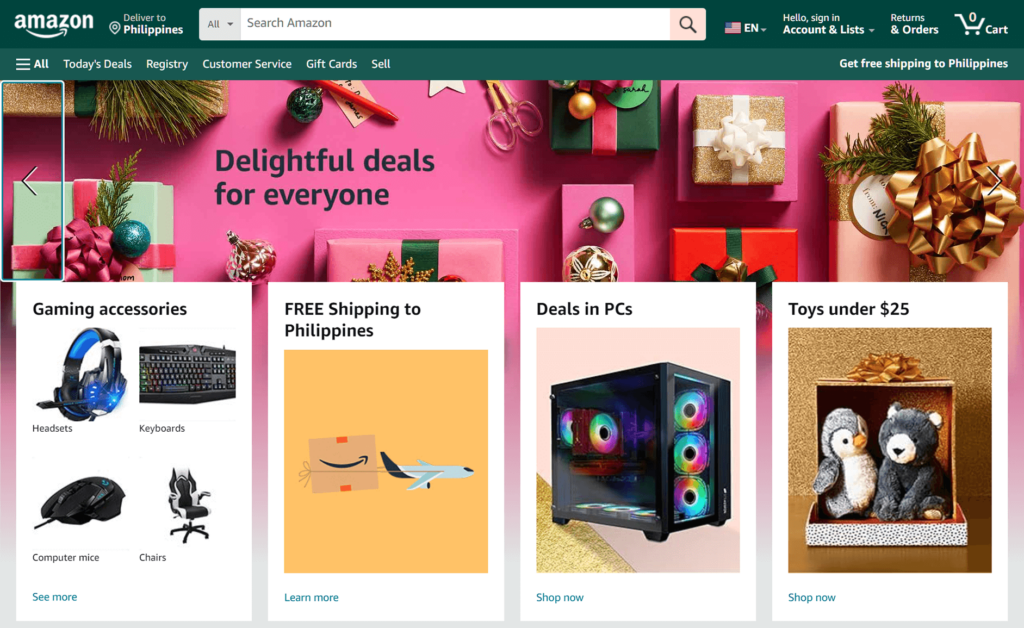
A seasonal makeover tells shoppers you are open for holiday business. Add holiday banners to your homepage and category pages, refresh hero images, and use seasonal colors while keeping your brand recognizable. Big marketplaces like Amazon and Etsy add festive touches to their logos and banners every year without losing their identity.
Lead your homepage with whatever matters most in the current phase: early deals in November, Cyber Week offers, gift collections in December and clearance after Christmas.
3. Curate gift collections across vendors
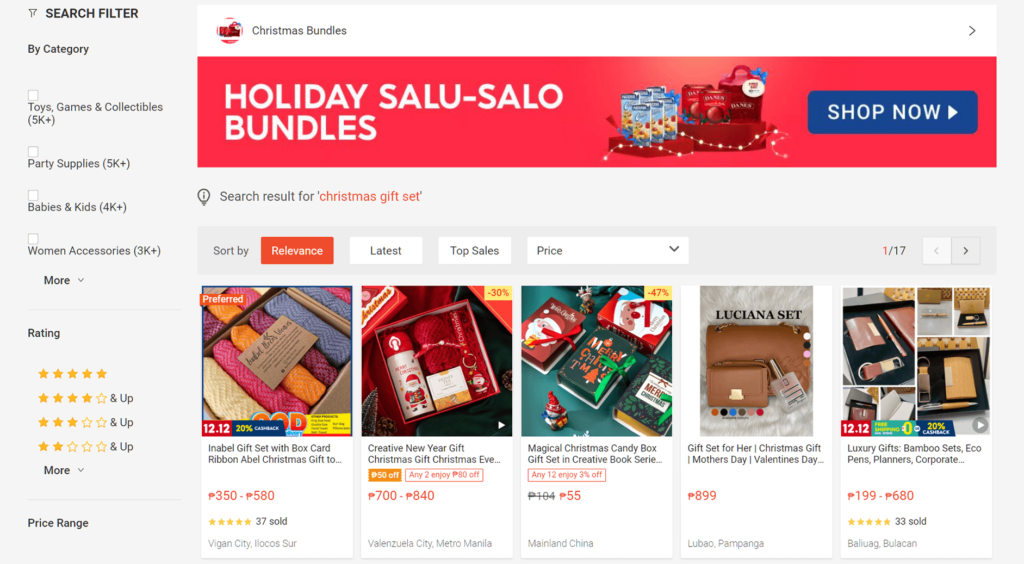
Curated collections are where a marketplace shines, because you can pull the best gifts from many sellers into one place. Organize them by recipient (“Gifts for Dad,” “Gifts for Pet Lovers”), by budget (“Stocking Stuffers Under $25,” “Luxury Gifts Over $100”) and by theme (“Cozy Winter Essentials,” “New Year’s Party Must-Haves”).
Feature collections in your navigation, emails and social posts, and refresh them weekly in December. Collections also lift holiday marketplace sales for smaller vendors, who rarely get that kind of exposure on their own.
4. Run seasonal offers, funded by you and your vendors
Shoppers are watching their budgets. NRF found that 56% say the economy will affect their holiday spending, and 43% of those plan to shop for sales more often. Clear, well-timed offers are what earn their orders.
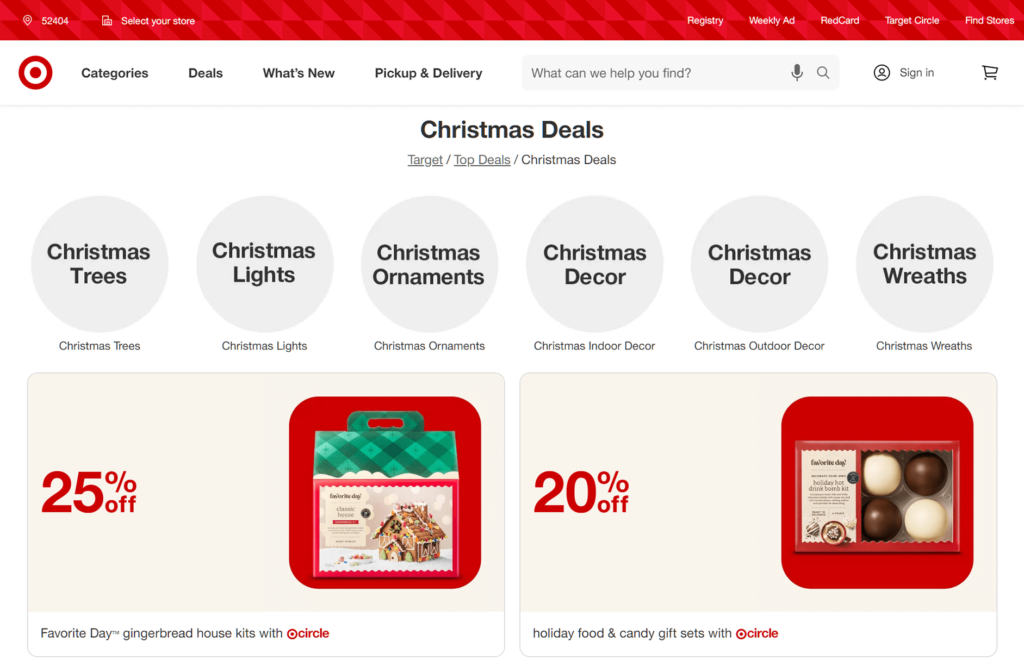
Plan a mix of marketplace-wide promotions and vendor-funded deals. Ideas include “12 Days of Deals” featuring a different vendor each day, spend thresholds for free shipping, and limited-time bundles. On paid WC Vendors plans, vendors can create their own coupons from the vendor dashboard, setting a percentage or fixed discount, an expiry date, usage limits and the products the coupon applies to. Vendors can also set a sale price on a product and schedule its start and end dates, so their offers switch on and off automatically.
For short, high-urgency offers, see our guide on running limited-time WooCommerce flash sale deals.
5. Plan your email calendar for the whole season
Email is still the most direct way to reach past buyers. Map out a sequence for each phase: early-access invites in November, a Cyber Week series, weekly gift guide emails in December, shipping deadline reminders, last-minute gift card pushes and a post-Christmas clearance email.
Segment your list using past purchases and browsing behavior, and feature products from vendors your subscribers have bought from before. Our guide to Black Friday emails covers subject lines and sequencing for the Cyber Week stretch.

6. Use social media and creators to reach new shoppers
Short videos, gift roundups and behind-the-scenes clips of vendors packing orders all perform well during the holidays. Encourage vendors to share their own posts and tag your marketplace, which multiplies your reach for free.
Creators can introduce your marketplace to audiences who already trust their recommendations. Partner with creators whose niche matches your categories, and ask for gift guides, unboxings or “what I’d buy” videos featuring several vendors. Make sure sponsored content is clearly disclosed.

7. Reward followers with vendor offers
Repeat buyers are the cheapest holiday marketplace sales you will make. WC Vendors Engage, available on the Growth and Business plans, lets customers follow the vendors they love, see a personalized feed from those vendors, and receive offers vendors create for their followers.
Use this through the season: ask shoppers to follow their favorite vendors during Cyber Week, then have vendors send follower-only offers in December and a thank-you deal in January. Followers get a reason to come back, and vendors build their own loyal audience inside your marketplace.
8. Win the shipping deadline and the last-minute rush
Delivery worries stop many December orders. Publish a holiday shipping calendar that shows each vendor’s last order date, and display it in your announcement bar, product pages and emails.
Then plan for shoppers who leave it late. Salesforce’s 2025 holiday data shows buy online, pick up in store rose to one in three orders in the final five days before Christmas. If any of your vendors offer local pickup or express delivery, promote those listings in a dedicated “arrives in time” collection, and push digital gift cards hard from December 18 onward.
9. Prepare your site for mobile shoppers and peak traffic
Adobe expects mobile devices to account for 57.4% of online holiday spending in 2026. Test your marketplace on a phone, simplify navigation, offer express wallets like Apple Pay and Google Pay, and keep checkout as short as possible.
Speed matters just as much. A multi-vendor marketplace makes many database calls on every page, and slow pages cost orders when traffic spikes. If your current host struggles under load, consider managed hosting built for busy WooCommerce stores, such as Levamo, which is designed for database-heavy marketplaces and offers free migration. Make any hosting change well before Cyber Week, not during it.

10. Strengthen customer service and returns
More orders mean more questions. Publish a holiday FAQ covering shipping cutoffs, vendor holiday hours, gift receipts and returns, and set clear response times with vendors so no customer message goes unanswered for days.
Plan for returns, too. Adobe reported that the week of December 26 to 31 accounted for one in seven holiday returns in 2025. An extended holiday return window for orders placed from mid-November gives gift buyers confidence, and a clear marketplace-wide policy stops confusion between vendors.

Keep Holiday Marketplace Sales Going After Christmas
The festive season does not end on December 25. Shoppers return with gift cards, exchanges and time to browse, so line up these offers before December gets busy:
- Boxing Day and year-end clearance: let vendors clear seasonal stock with scheduled sale prices.
- Gift card redemption pushes: email recipients with collections that match common card values.
- Welcome-back offers for first-time buyers: convert holiday shoppers into repeat customers with a January incentive.
- Vendor performance review: use your sales data and vendor reports to see which collections, offers and channels drove the most revenue.
For a full wrap-up checklist, see our list of post-Black Friday tasks for marketplace owners.
Holiday Marketplace FAQ
What are the best strategies for holiday marketplace sales?
The strategies that work best are vendor readiness, curated cross-vendor gift collections, a mix of marketplace and vendor-funded offers, a season-long email plan, clear shipping deadlines and strong customer service. Together they keep holiday marketplace sales steady from mid-November to early January.
When should a marketplace start holiday promotions?
Start vendor prep in October and launch early offers in the first half of November. In 2026, Black Friday falls on November 27 and Cyber Monday on November 30, so your Cyber Week plan should be locked in by mid-November.
How can vendors take part in holiday promotions?
Vendors can create coupons, schedule sale prices, join cross-vendor gift collections, send follower offers through Engage (on Growth and Business plans) and share marketplace campaigns on their own social channels.
Conclusion
The best holiday seasons belong to marketplaces that plan beyond Black Friday. When you map the season into clear phases, get vendors ready early and change your message as shoppers move from deal hunting to gift finding to last-minute buying, you capture demand that one-weekend campaigns miss.
Start with vendor readiness and a festive storefront, then layer in gift collections, vendor-funded offers, follower rewards and a season-long email plan. Protect the experience with fast mobile pages, honest shipping deadlines and generous returns, and carry the momentum into January with clearance and welcome-back offers. Do that, and your holiday marketplace sales will grow across the whole festive season, not just on one weekend.
Here’s what we covered in this article:
- Why the whole festive season matters for holiday marketplace sales
- Your 2026 holiday marketplace calendar
- 10 strategies to grow holiday marketplace sales
- Keep holiday marketplace sales going after Christmas
- Holiday marketplace FAQ